
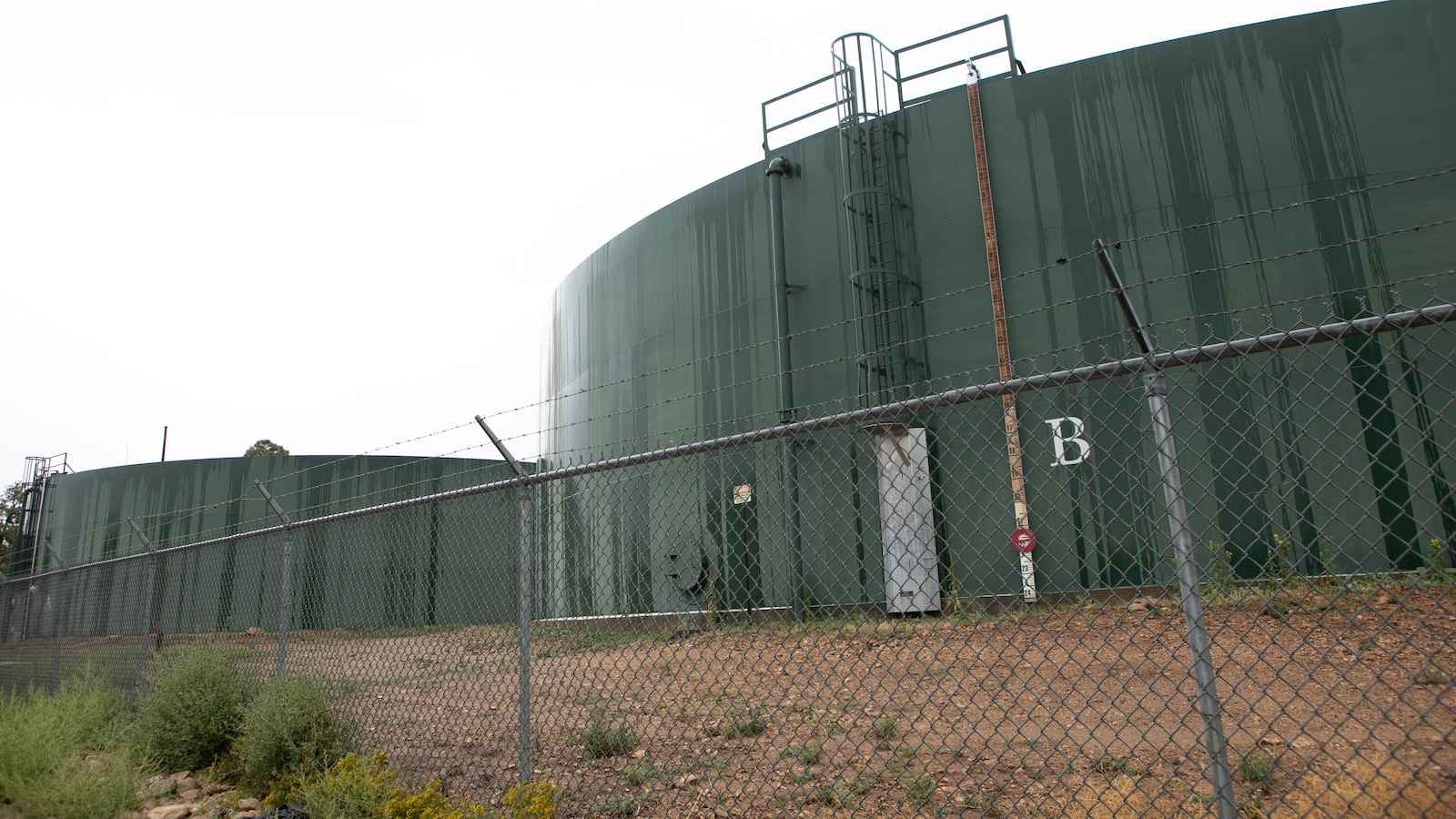
WASHINGTON — The sole pipeline that supplies water for millions of Grand Canyon visitors was badly damaged by weekend flash flooding, setting up a tricky repair scenario and upending a yearslong construction project to upgrade the line laid over terrain so rugged helicopters are often required to make basic fixes.
“We anticipate miles of the pipeline being destroyed,” Grand Canyon Deputy Superintendent Brian Drapeaux said, but a full survey of the devastation won’t be completed until Tuesday at the earliest.
From flyovers, park officials estimate that roughly 40% of the pipeline endured damage. The long-term implications to the park’s infrastructure, visitors and year-round residents weren’t immediately clear. The 12.5-mile (20-kilometer) long Transcanyon Waterline has endured dozens of breaks in recent years. A more than $200 million repair and replacement project was well underway when the floods hit.
At least two people died in the floods, and one person remained missing Monday night after rescuers saved some 80 people over the weekend, officials said. The park halted overnight accommodations, and officials said significant water reductions are needed — short showers, turning off the tap while brushing teeth and flushing toilets selectively to protect the limited stored water on the South Rim, where most visitors go.
“They have got to keep law enforcement going, they have to keep rescue operations going, backcountry operations, park admin going, the clinic and the campground,” said longtime river runner and Grand Canyon hiker Tom Martin. “In the past, the park has hauled water” in tanker trucks.
The pipeline, which was finished in the 1970s, has broken more than 85 times since 2010. It moves water from one side of the canyon, down to its base, across a bridge and back up the other side of the rough landscape. Any effort to fix a break from rock falls or flash floods is time-consuming, precarious and costly, so addressing the latest damage will be complicated.
The pipeline upgrade project, which began in 2023, took more than a decade to design, consider and fund. It involves installing helicopter pads, building water treatment facilities and replacing several miles of pipeline. The project also sought to move the water intake for the pipeline further down the canyon to Bright Angel Creek. That would place it closer to Phantom Ranch, a popular lodge at the base of the canyon. An evaluation of the project in 2018 said key infrastructure for the intake would be outside of areas likely to flood.
Basic decisions were complicated. For example, the original pipe was aluminum, which is lighter and easier to move into the steep canyon but is susceptible to breaking. Engineers picked a flex-steel material to balance weight with durability.
Even routine pipeline breaks force water restrictions. In 2016, a hotel on the canyon’s rim that offers luxury dining and boasts about its history hosting presidents was forced to reduce dishwashing and use paper plates and plastic utensils.
In 1995, a 28-day repair effort on the pipeline required officials to truck in water.
The park had water conservation measures in place even before the latest bout of flooding and damage.
Popular Reads
The flooding has forced parts of the park to close and additional flooding was possible Monday, according to the National Park Service.
“Consider changing your plans if you were going to hike, boat, or paddleboard to a slot canyon or normally dry wash. If you do still decide to recreate, check in at a nearby visitor center or ranger station,” a notice on the park website said.
Officials said previously that the repair and replacement project would ensure that the park will be able to meet its water supply needs for the next 50 years or more. The park had roughly 4.4 million visitors last year.
When the original pipeline was nearing completion in the 1960s, more than a foot (0.3 meters) of rain fell, flooding the inner canyon. That rare, historic flood caused 40% of the project to be destroyed, officials said.
___
Associated Press journalist Hannah Schoenbaum contributed from Salt Lake City. The Associated Press receives support from the Walton Family Foundation for coverage of water and environmental policy. The AP is solely responsible for all content. For all of AP’s environmental coverage, visit https://apnews.com/hub/climate-and-environment